

Developing practical skills is one of the most effective ways to improve your personal and professional life. Whether you want to advance your career, manage your time better, or feel more confident in daily tasks, focusing on practical skill development ideas is essential.
Unlike theoretical knowledge, practical skills are actionable—they help you get things done, solve problems, and adapt to real-world situations. Let’s dive into a detailed guide on the best ways to grow your skillset.
1. Communication Skills: Speak, Listen, and Connect
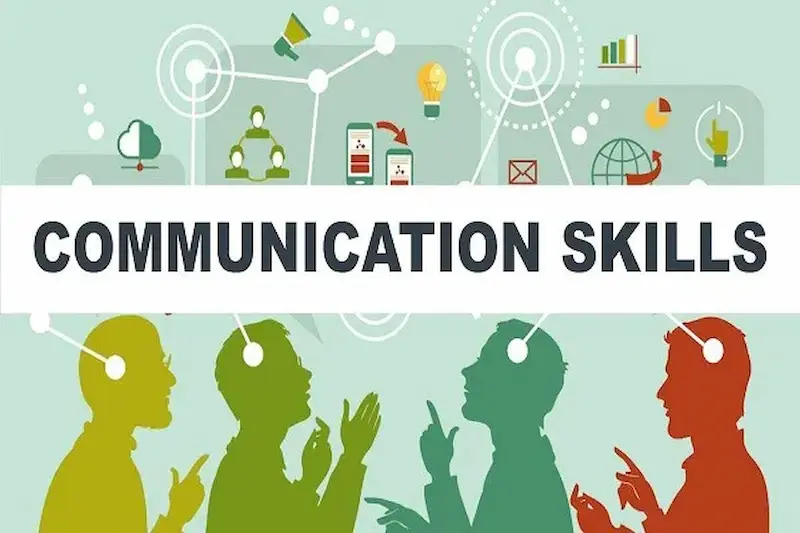
Communication is more than just talking; it’s about understanding and being understood. Strong communication skills help in interviews, teamwork, and personal relationships. Here’s how you can improve:
- Public speaking practice: Start small by speaking in front of friends or recording yourself. Gradually, you can join groups like Toastmasters to refine your delivery.
- Active listening exercises: Focus on understanding what someone is saying without planning your response while they speak. Reflect back what you hear to confirm understanding.
- Written communication: Maintain a journal, write blog posts, or draft emails thoughtfully. Clear writing reinforces clear thinking.
- Non-verbal cues: Practice body language, eye contact, and tone modulation to convey confidence and empathy.
Tip: Try explaining a complex topic in simple terms. This strengthens clarity and communication at the same time.
2. Time Management: Make Every Minute Count
Effective time management reduces stress and improves productivity. Here’s how you can get better at managing your time:
- Prioritize tasks with the Eisenhower Matrix: Identify tasks as urgent/important, important/not urgent, urgent/not important, or neither. Focus on what truly matters.
- Use digital tools: Apps like Todoist, Notion, or Google Calendar help track tasks and deadlines.
- Time-block your day: Allocate specific periods for work, learning, and relaxation to avoid burnout.
- Set achievable goals: Break large projects into small, actionable steps and track your progress daily.
Tip: At the end of each day, list three things you achieved. This reinforces productivity habits and keeps you motivated.
3. Financial Literacy: Take Control of Your Money
Money management is a skill that most people wish they learned earlier. Even basic financial literacy can transform your life:
- Budgeting: Track income and expenses using spreadsheets or apps like Mint. Allocate money for savings and essential spending first.
- Saving strategies: Build an emergency fund of at least 3–6 months’ expenses. Start small if needed.
- Investing basics: Learn about mutual funds, stocks, and bonds. Even starting with small investments can grow your wealth over time.
- Debt management: Understand how credit works and avoid high-interest debt. Pay off debts strategically, starting with the highest interest rates.
Tip: Set financial goals like saving for a vacation or investing in a course. Tangible goals make financial discipline easier to follow.
4. Technical Skills: Stay Relevant in a Digital World
In today’s fast-paced digital age, technical skills are no longer optional—they are essential:
- Basic computer skills: Learn Microsoft Office, Google Workspace, and essential shortcuts to increase productivity.
- Online tools mastery: Explore Trello for project management, Canva for design, or Grammarly for writing. These tools make tasks easier and faster.
- Coding and app development: Even beginner knowledge of Python, HTML, or app-building platforms like Flutter can create career opportunities.
- Digital marketing basics: Social media management, SEO, and content creation are valuable skills for almost every industry.
Tip: Choose one technical skill to master deeply, rather than spreading yourself too thin across multiple tools.
5. Problem-Solving Skills: Think Critically and Strategically
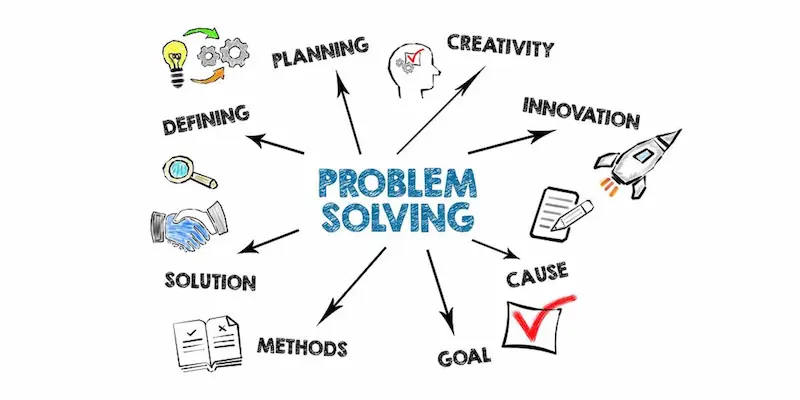
Problem-solving is a skill that can be applied in every area of life. Improving this skill involves practice and structured thinking:
- Engage in logic-based games: Chess, Sudoku, and strategy games enhance your analytical thinking.
- Scenario analysis: Consider multiple solutions before making a decision. Evaluate pros and cons objectively.
- Learn from mistakes: Treat failures as lessons, not setbacks. Reflection after each mistake helps refine future decisions.
- Brainstorming exercises: Write down all possible solutions to a problem without judgment. Creativity often emerges from quantity before quality.
Tip: Apply problem-solving in small daily tasks first, like reorganizing your schedule or planning a trip, to make it a habit.
6. Interpersonal Skills: Build Strong Relationships
How you interact with others can make a huge difference in personal and professional life. These skills make collaboration and networking easier:
- Empathy practice: Try to understand people’s perspectives and feelings without judgment.
- Conflict resolution: Learn negotiation and compromise strategies to handle disagreements calmly.
- Networking: Attend events, join professional groups, and maintain connections on LinkedIn or other platforms.
- Teamwork exercises: Engage in collaborative projects or volunteering to enhance your ability to work well with others.
Tip: Regularly ask for feedback from colleagues or friends to understand how you’re perceived and improve accordingly.
You may also like to read this:
Skill Development For Beginners: Start Learning Today
Professional Skill Development Tips For Career Growth
Digital Skill Development Online: Learn New Skills Today
Career Skill Development Strategies For Professional Growth
Personal Skill Development Guide: Boost Your Abilities
7. Self-Management Skills: Discipline and Adaptability
Managing yourself effectively is just as important as managing your tasks:
- Stress management: Techniques like meditation, yoga, or breathing exercises can improve focus and resilience.
- Self-discipline: Stick to routines even when motivation is low. Consistency beats occasional bursts of effort.
- Adaptability: Life changes quickly. Embrace change and learn to adjust your plans without losing momentum.
- Goal setting: SMART goals—Specific, Measurable, Achievable, Relevant, Time-bound—ensure practical results.
Tip: Reflect weekly on what worked and what didn’t. Continuous self-evaluation is key to improvement.
8. Creative Skills: Innovate and Express Yourself
Creativity isn’t just for artists—it improves problem-solving, innovation, and even emotional intelligence:
- Photography and design: Explore visual arts to express ideas and capture moments.
- Writing and storytelling: Blogs, essays, or creative writing sharpen your ability to convey ideas.
- DIY projects and crafts: Hands-on creativity builds patience, planning, and execution skills.
- Music or performing arts: Learning an instrument or joining a drama group enhances discipline, focus, and confidence.
Tip: Dedicate at least 30 minutes a week to a creative pursuit. Creativity compounds over time.
FAQs About Practical Skill Development Ideas
Q1: How long does it take to master a skill?
It varies. Simple skills may take a few weeks to become competent, while more complex skills like coding or investing may take months or even years. Consistency is more important than speed.
Q2: Can practical skills help in career growth?
Yes! Skills like communication, problem-solving, technical expertise, and financial literacy are highly valued by employers. They can lead to promotions, raises, or new job opportunities.
Q3: Should I focus on one skill at a time?
Focus deeply on one or two skills while maintaining light practice in others. This ensures you make steady progress without feeling overwhelmed.
Q4: Are online courses effective for skill development?
Absolutely. Platforms like Coursera, Udemy, and LinkedIn Learning provide structured learning, exercises, and certifications. They are great for learning at your own pace.
Q5: How do I stay motivated?
Set small milestones, track your progress, reward achievements, and remember the long-term benefits of skill development. Sharing progress with friends or mentors can also boost motivation.
Conclusion
Implementing practical skill development ideas in your daily life is one of the smartest investments you can make. From improving communication and technical know-how to mastering time management and creative thinking, each skill you develop enhances your confidence, efficiency, and problem-solving ability. Start small, stay consistent, and choose skills that align with your personal and professional goals.
With deliberate practice and patience, you’ll not only become more capable but also more adaptable to life’s challenges—opening doors to new opportunities and a more fulfilling future.