


In today’s fast-paced world, digital knowledge guides for learning have revolutionized the way we acquire skills and knowledge. Whether you’re a student trying to ace exams, a professional aiming to upskill, or someone simply curious to explore new subjects, digital guides offer a structured, flexible, and interactive approach to learning.
Gone are the days when learning required carrying heavy textbooks or attending rigid classroom schedules. Now, with the right guides, you can learn anytime, anywhere—at your own pace, and in a way that matches your personal learning style. Let’s dive deep into what these guides are, why they’re essential, and how you can use them effectively.
What Are Digital Knowledge Guides for Learning?

Digital knowledge guides for learning are online or downloadable resources designed to help learners gain knowledge in a structured and efficient way. These guides often include:
- Step-by-step instructions for mastering a skill or concept.
- Examples and illustrations to make complex topics easier to understand.
- Interactive exercises and quizzes to reinforce learning.
- Multimedia resources, such as videos, podcasts, and infographics, to suit different learning preferences.
Think of them as your personal roadmap. Instead of wandering aimlessly through countless websites or resources, a good digital guide gives you a clear path from basics to advanced topics. Whether it’s learning coding, a new language, digital marketing, or even personal development, these guides make the process simple and structured.
Why You Should Use Digital Knowledge Guides
Digital guides have transformed learning in many ways. Here’s why they are incredibly beneficial:
1. Flexible Learning
One of the biggest advantages is flexibility. You can learn from anywhere—whether at home, during a commute, or while traveling. With mobile apps and downloadable resources, your learning fits seamlessly into your schedule.
2. Structured Learning Path
Unlike random online searches or fragmented videos, digital guides provide a step-by-step approach. They often start with foundational knowledge and gradually progress to advanced concepts, making it easier to retain information and avoid confusion.
3. Cost-Effective
Many high-quality guides are free or available at a low cost compared to traditional courses. This accessibility opens doors for people worldwide, making education more affordable and inclusive.
4. Interactive Learning
Modern digital guides often incorporate quizzes, simulations, or projects that help learners practice concepts in real time. Interactive learning is more engaging than passive reading, and it boosts retention.
5. Self-Paced Progress
Everyone has a different learning speed. Digital guides allow you to pause, revisit topics, or move ahead when ready. This personalized pace is especially helpful for complex subjects.
You may also like to read this:
Knowledge Guides For Beginners – Learn Step by Step
Simple Knowledge Guides Online – Learn Easily
Learning Knowledge Guides Tips – Study Smarter Today
Knowledge Guides For Students: Study Smarter Today
Practical Knowledge Guides Resources – Learn Skills Fast
How to Choose the Right Digital Knowledge Guide
With so many guides online, selecting the best one can feel overwhelming. Here’s a simple approach to make the right choice:
- Check the Source: Prefer guides from reputable platforms or experts in the field. For example, MIT OpenCourseWare, Khan Academy, and Coursera are widely trusted.
- Look at Content Quality: A good guide should have clear explanations, updated content, and practical examples.
- Match Your Learning Style: If you learn better through videos, pick guides that are video-rich. If you prefer reading, textual guides may be more suitable.
- Read Reviews: Feedback from other learners can provide insight into the guide’s effectiveness.
- Check for Additional Resources: Some guides offer supplementary tools like downloadable worksheets, discussion forums, or live support.
How to Use Digital Knowledge Guides Effectively
Even the best guide is only useful if you know how to use it properly. Here are some tips to maximize your learning:
1. Set Clear Goals
Before you start, define what you want to achieve. Do you want to learn a new language, understand digital marketing, or prepare for exams? Clear goals will keep you focused.
2. Take Notes
Writing key points helps retain knowledge. Digital guides may have note-taking features or you can maintain a separate notebook.
3. Practice Regularly
Practical application is key. For example, if you’re learning coding, create mini-projects. If it’s a language, try speaking or writing daily.
4. Review Frequently
Revisit topics periodically. Short review sessions help move knowledge from short-term memory to long-term memory.
5. Join Learning Communities
Many digital guides include forums or online groups. Engaging with other learners allows you to discuss doubts, share insights, and learn collaboratively.
Popular Types of Digital Knowledge Guides
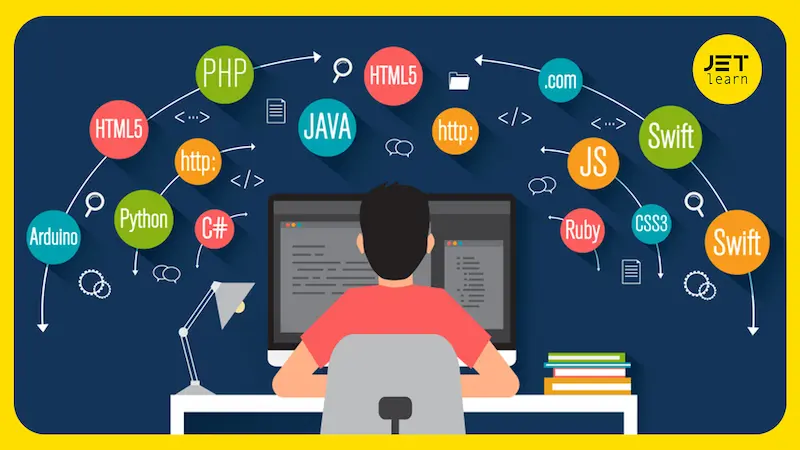
Here are some examples of the kinds of digital knowledge guides that learners use today:
- Coding and Programming
- FreeCodeCamp, Codecademy, Coursera coding courses.
- Interactive coding challenges and projects help build real-world skills.
- FreeCodeCamp, Codecademy, Coursera coding courses.
- Language Learning
- Duolingo, Babbel, and Rosetta Stone.
- Incorporates games, speaking exercises, and quizzes to make learning fun.
- Duolingo, Babbel, and Rosetta Stone.
- Science and Math
- Khan Academy, Brilliant.org, MIT OpenCourseWare.
- Step-by-step problem-solving guides and interactive simulations.
- Khan Academy, Brilliant.org, MIT OpenCourseWare.
- Professional Skills
- LinkedIn Learning, Skillshare, Udemy.
- Covers marketing, design, business, and personal development skills.
- LinkedIn Learning, Skillshare, Udemy.
- Creative Skills
- Canva Design School, Adobe tutorials, YouTube channels for art and photography.
- Practical projects encourage hands-on learning.
- Canva Design School, Adobe tutorials, YouTube channels for art and photography.
FAQs About Digital Knowledge Guides for Learning
Q1: Are digital guides better than traditional books?
A: They complement traditional books. Digital guides offer interactive, flexible, and up-to-date learning methods that many learners find more engaging.
Q2: Can beginners benefit from them?
A: Absolutely! Many guides start with basics and gradually move to advanced topics.
Q3: Do I need any special devices to use these guides?
A: A smartphone, tablet, or computer with internet access is sufficient. Some guides are downloadable for offline use.
Q4: How do I stay motivated?
A: Set small milestones, track progress, participate in community discussions, and reward yourself after completing topics.
Q5: Are these guides expensive?
A: Many are free. Even paid guides are often affordable and offer more interactive learning compared to traditional courses.
Conclusion
Digital knowledge guides for learning are transforming education by making it more accessible, flexible, and efficient. They allow learners of all ages to explore new topics, develop skills, and achieve their goals in a structured and engaging way. By choosing the right guides, setting clear objectives, and using them consistently, you can take your learning to the next level.
Start exploring digital guides today and turn learning into a fun, interactive, and lifelong journey!