


If you’re looking for the best study resources guides, you’re already taking a smart step toward better learning. Studying is not just about spending hours with books—it’s about using the right resources that help you understand faster, remember longer, and perform better in exams.
In this detailed guide, I’ll walk you through everything in a simple, friendly way—so you can choose the best study resources, use them effectively, and actually enjoy learning.
What Are the Best Study Resources Guides?
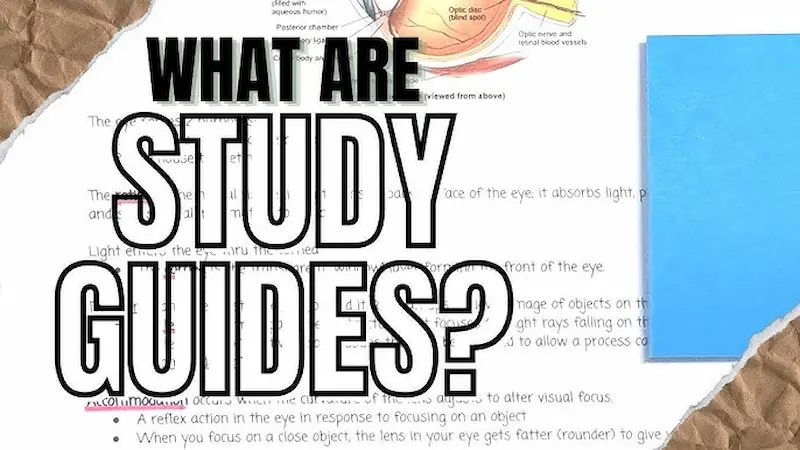
The best study resources guides are carefully selected tools, platforms, and materials that help students learn efficiently. These resources are designed to simplify complex topics, provide structured learning, and improve retention.
Instead of wasting time on random materials, these guides help you focus on what truly matters.
Why You Need the Best Study Resources Guides
Let’s be honest—studying without proper guidance can feel overwhelming. You may:
- Struggle to understand difficult concepts
- Feel lost with too much information
- Waste time on unhelpful materials
The best study resources guides solve these problems by:
- Organizing your learning path
- Providing clear explanations
- Offering practice and revision tools
- Saving your valuable time
Types of Study Resources You Should Use
To build an effective study system, you should combine different types of resources. Here’s a detailed breakdown:
1. Online Learning Platforms
Online platforms are one of the most powerful study resources available today.
Why they are useful:
- Structured courses from basic to advanced levels
- Video lectures, quizzes, and assignments
- Learn anytime, anywhere
Best for:
- Students who prefer step-by-step learning
- Competitive exam preparation
- Skill development
2. Educational Videos
Sometimes, reading alone is not enough. Watching videos can make learning easier.
Benefits:
- Visual explanations improve understanding
- Complex topics become simple
- Great for quick revision
Tip: Use videos when you don’t understand a topic from books.
3. Study Apps
Study apps make learning interactive and fun.
Features include:
- Flashcards for memorization
- Daily reminders
- Practice quizzes
Best for:
- Revising on the go
- Improving memory
- Staying consistent
4. E-books and Digital Notes
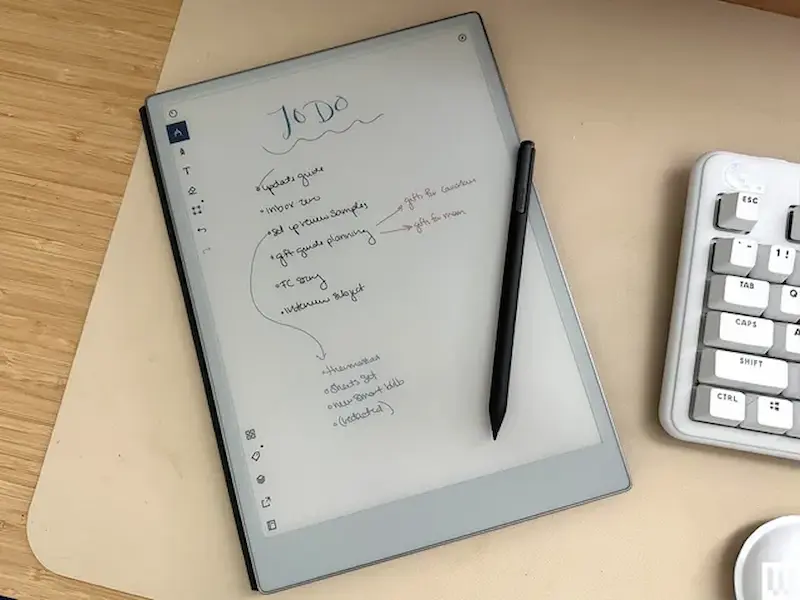
Digital study materials are convenient and cost-effective.
Advantages:
- Accessible anytime
- Easy to search topics
- Lightweight (no need to carry books)
5. Practice and Test Platforms
Practice is the key to mastering any subject.
Why they matter:
- Help you test your knowledge
- Improve speed and accuracy
- Prepare you for real exams
6. Study Groups and Forums
Learning with others can boost your understanding.
Benefits:
- Share ideas and knowledge
- Solve doubts quickly
- Stay motivated
How to Choose the Best Study Resources Guides
Not every resource is helpful. Choosing the right ones is very important.
1. Understand Your Learning Style
Ask yourself:
- Do I learn better by reading?
- Do I prefer videos?
- Do I learn by practicing?
Choose resources that match your style.
2. Focus on Quality, Not Quantity
Using too many resources can confuse you. Instead:
- Pick 2–3 trusted resources
- Stick to them consistently
3. Check Updated Content
Make sure your study material is:
- Relevant to your syllabus
- Updated for current exams
4. Read Reviews and Feedback
Before choosing any resource:
- Check student reviews
- Look for ratings and recommendations
You may also like to read this:
Career Skill Development Strategies For Professional Growth
Personal Skill Development Guide: Boost Your Abilities
Practical Skill Development Ideas To Boost Your Abilities
Study Resources For Students: Best Tools For Smart Learning
Free Study Resources Online For Students and Beginners Guide
Best Study Techniques to Use with These Guides
Even the best study resources guides won’t work without the right techniques.
1. Active Learning
Instead of just reading:
- Take notes
- Ask questions
- Summarize topics in your own words
2. Pomodoro Technique
Study in short sessions:
- 25 minutes study
- 5 minutes break
This keeps your mind fresh and focused.
3. Spaced Repetition
Revise topics regularly:
- Day 1: Learn
- Day 2: Review
- Day 7: Revise again
This improves long-term memory.
4. Practice and Self-Testing
Test yourself regularly:
- Solve quizzes
- Attempt mock tests
- Review mistakes
5. Goal-Based Studying
Set clear goals like:
- “Finish 2 chapters today”
- “Solve 20 questions”
This keeps you motivated.
Daily Study Plan Using the Best Study Resources Guides
Here’s a simple plan you can follow:
Morning:
- Study new topics using online platforms or books
Afternoon:
- Watch videos for difficult concepts
Evening:
- Practice questions and quizzes
Night:
- Revise what you learned
Common Mistakes to Avoid
Many students fail because of simple mistakes:
- Using too many study resources
- Not revising regularly
- Ignoring practice tests
- Studying without a plan
- Procrastination
Avoiding these mistakes can improve your results quickly.
Tips to Stay Consistent and Motivated
Staying consistent is the hardest part. Here’s how you can do it:
- Create a fixed study schedule
- Set small daily goals
- Reward yourself after completing tasks
- Remove distractions (phone, social media)
- Track your progress
Final Thoughts
The best study resources guides are not just about tools—they’re about building a smarter way to learn. When you combine the right resources with the right strategies, studying becomes easier and more effective.
Start small, stay consistent, and improve step by step. Remember, success doesn’t come from studying more—it comes from studying smart.
FAQs – Best Study Resources Guides
1. What are the best study resources guides for students?
The best study resources guides include online platforms, study apps, educational videos, and practice websites that simplify learning.
2. How do I choose the right study resources?
Choose resources based on your learning style, syllabus, and quality of content. Avoid using too many at once.
3. Are free study resources enough?
Yes, free resources can be very effective if you use them consistently and focus on quality.
4. How many hours should I study daily?
It depends on your goals, but 2–4 focused hours daily can give excellent results.
5. Can study apps really help?
Yes, study apps improve memorization, organization, and consistency.