
In today’s fast-paced job market, mastering the right skills is more important than ever. That’s why career skill development strategies are essential for anyone who wants to stay competitive, advance professionally, or switch to a more rewarding career. Whether you’re a beginner just starting out, a mid-level professional looking to level up, or someone aiming for leadership positions, having a clear plan to develop your skills can make all the difference.
The great news is, developing your career skills doesn’t have to be complicated. With the right strategies, commitment, and tools, anyone can improve their abilities, boost confidence, and open doors to new opportunities. Let’s explore these strategies in depth.
Why Career Skill Development Strategies Are Crucial
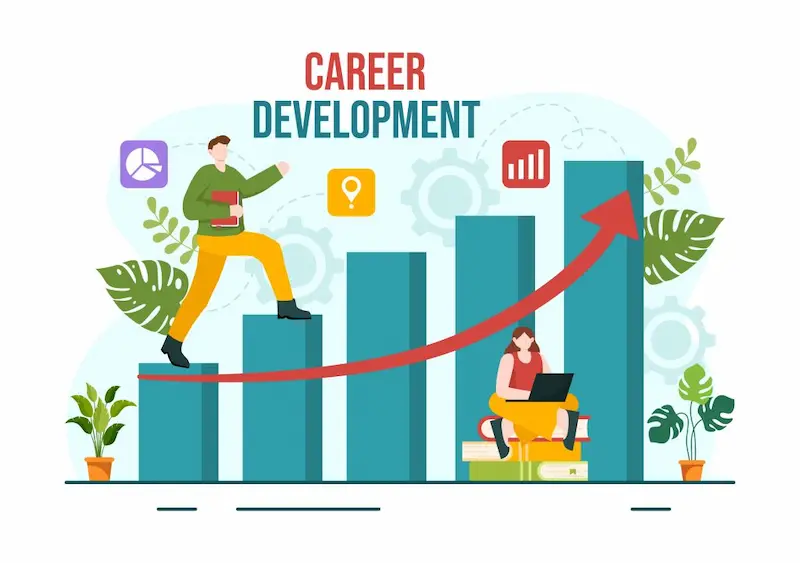
Think of your career as a tree. Without proper care and attention, it may survive, but it won’t grow strong or reach its full potential. Career skill development strategies act as water, sunlight, and nutrients for your professional growth.
Here’s why investing in skill development is critical:
- Stay Relevant: Industries evolve rapidly, and skills that were valuable yesterday may not be as important tomorrow. Continuous development ensures you stay competitive.
- Boost Confidence: The more skilled you are, the more confident you’ll feel in your work, decisions, and ability to tackle challenges.
- Enhance Career Opportunities: Skilled professionals are more likely to get promotions, raises, and job offers.
- Adapt to Change: In a world of automation, remote work, and evolving technology, adaptability is key. Career skill development keeps you flexible.
Step 1: Identify Your Skill Gaps
Before you start developing new skills, you need to know where to focus. Ask yourself:
- Which skills are most in demand in my industry?
- Are there recurring tasks I struggle with at work?
- What skills do my mentors, peers, or managers recommend I improve?
You can also use tools like:
- LinkedIn Skills Assessment: Test and validate your current skills.
- Industry reports: See which skills employers are looking for.
- Self-reflection: Track tasks that feel challenging or take longer than they should.
Tip: Make a list of “must-have” and “nice-to-have” skills. Prioritize the ones that will have the biggest impact on your career.
Step 2: Set SMART Goals
Once you know what skills to develop, create a plan using SMART goals:
- Specific: Clearly define what you want to achieve.
- Measurable: Determine how you’ll track progress.
- Achievable: Set realistic targets.
- Relevant: Focus on skills aligned with your career objectives.
- Time-bound: Give yourself a deadline.
Example Goals:
- “Learn Python basics and complete a small data project in 3 months.”
- “Improve public speaking skills by presenting in team meetings once a week for 2 months.”
SMART goals make your development structured and measurable, turning vague ambitions into achievable steps.
Step 3: Leverage Online Learning
Online learning has revolutionized professional growth. You can now access world-class courses anytime, anywhere. Popular platforms include:
- Udemy: Affordable courses on a wide range of skills.
- Coursera: Courses from top universities with certifications.
- edX: Offers professional certificates and micro-degrees.
- Khan Academy: Free courses for foundational skills.
Types of skills to focus on:
- Technical skills: Coding, digital marketing, data analysis, cloud computing.
- Soft skills: Leadership, communication, negotiation, emotional intelligence.
- Industry-specific skills: Certifications, compliance knowledge, or new tools relevant to your field.
Pro Tip: Dedicate a small amount of time daily—like 30–60 minutes—to learning consistently. Small, regular efforts outperform occasional long sessions.
Step 4: Gain Practical Experience
Learning theory is only the first step. Applying your skills is where real growth happens. You can:
- Take on challenging projects at work: Volunteer for tasks outside your comfort zone.
- Freelance or consult: Even small projects can strengthen your portfolio.
- Work on personal projects: Build apps, write articles, or create campaigns.
- Volunteer: Nonprofits or community projects can provide hands-on experience.
This approach helps solidify your skills and gives you examples to showcase on your resume or during interviews.
Step 5: Seek Mentorship and Feedback
Mentorship accelerates skill development. A mentor can:
- Guide you based on their experience.
- Provide constructive criticism.
- Open doors to networking opportunities.
Additionally, regularly ask for feedback from supervisors or peers. Honest feedback highlights blind spots and areas for improvement.
Tip: Don’t just accept feedback—act on it. Use it to refine your strategy and track your progress.
Step 6: Focus on Soft Skills
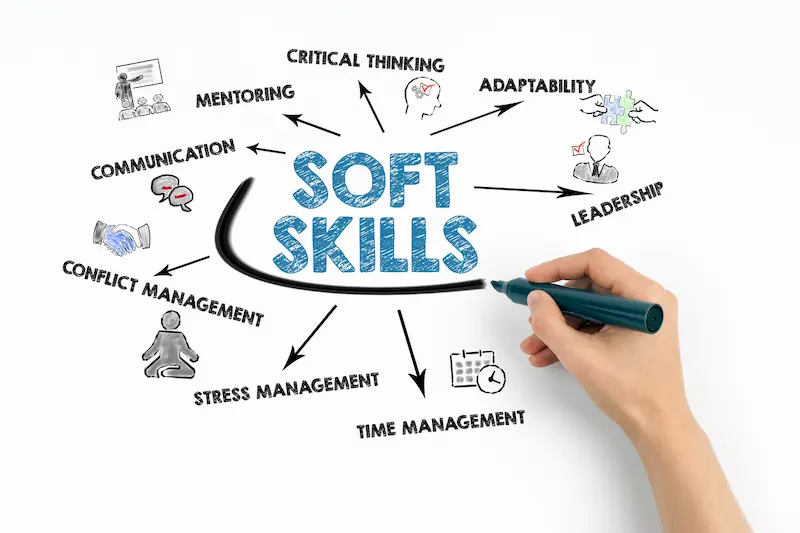
While technical skills can land you a job, soft skills help you grow and excel in your career. Key soft skills include:
- Communication: Ability to convey ideas clearly in writing and speaking.
- Leadership: Guiding teams, inspiring colleagues, and taking initiative.
- Problem-solving: Critical thinking and solution-oriented mindset.
- Emotional intelligence: Understanding your own emotions and empathizing with others.
Soft skills make you a versatile professional and improve your effectiveness in any role.
You may also like to read this:
Best Online Learning Tools For Students To Boost Success
Learn Online Effectively: Complete Guide For Success
Skill Development For Beginners: Start Learning Today
Professional Skill Development Tips For Career Growth
Digital Skill Development Online: Learn New Skills Today
Step 7: Stay Updated on Industry Trends
Even after developing your skills, you need to stay current. Industries evolve fast—new technologies, methods, and regulations appear regularly. Ways to stay updated:
- Read industry blogs, journals, and newsletters.
- Join professional associations or groups.
- Attend webinars, workshops, and conferences.
- Network with peers to learn about emerging best practices.
By staying informed, you ensure your skills remain relevant and aligned with market needs.
Step 8: Reflect, Measure, and Adjust
Finally, career skill development is an ongoing process. Regularly reflect on your progress:
- Which skills have improved?
- Are your goals still relevant?
- Are there new skills you need to focus on?
Adjust your strategies as needed to ensure continued growth and avoid stagnation.
Pro Tip: Maintain a skills journal. Track your progress, note achievements, and plan next steps.
Conclusion
Implementing effective career skill development strategies can transform your professional life. By identifying gaps, setting clear goals, learning continuously, applying skills practically, and focusing on both technical and soft skills, you can boost your confidence, advance your career, and stay competitive in a rapidly changing market.
Remember, skill development is a journey—consistent effort, smart strategies, and adaptability are your keys to long-term success.
FAQs About Career Skill Development Strategies
Q1: How long does it take to develop new skills?
A: It varies depending on the skill and your learning pace. Most people notice improvement within 3–6 months of consistent effort.
Q2: Are online courses enough for career growth?
A: They’re a great starting point, but practical application, mentorship, and soft skills are equally important.
Q3: Should I focus on technical or soft skills first?
A: Both matter. Technical skills get you in the door, but soft skills help you grow and lead.
Q4: How often should I update my skill development plan?
A: Every 3–6 months to stay aligned with industry trends and personal goals.
Q5: Can career skill development help me switch industries?
A: Absolutely. Learning relevant skills and gaining experience can make career transitions smoother and more successful.