
In today’s fast-changing professional world, staying competitive is more than just doing your job well. It requires continuous growth, adaptability, and improvement. That’s why focusing on professional skill development tips is essential for anyone looking to succeed, get promotions, or pivot to a better role. Whether you’re just starting your career or already a seasoned professional, understanding how to develop and sharpen your skills can make a real difference.
Here’s a comprehensive guide to help you master professional skill development.
1. Identify Your Current Skills and Gaps

Before you start improving, you need to know where you stand. Conduct a self-assessment to figure out:
- Your strengths: What are the skills you excel at? These are your selling points.
- Your weaknesses: Which skills need improvement to advance in your career?
- Industry requirements: What skills are most valuable in your field?
Actionable Tip: Create a skills inventory spreadsheet. List all the skills you have, rate your proficiency from 1–10, and highlight the ones you need to improve.
2. Set Clear, Achievable Goals
Professional development without goals is like sailing without a map. Goals give you direction and motivation. Use the SMART framework:
- Specific: Define the exact skill you want to develop.
- Measurable: How will you know you’ve improved?
- Achievable: Be realistic about your time and resources.
- Relevant: Focus on skills that align with your career goals.
- Time-bound: Set a deadline for achieving your goal.
Example: “I will improve my public speaking skills by attending at least 2 workshops and practicing 5 speeches within 3 months.”
3. Invest in Continuous Learning
One of the most effective professional skill development tips is to embrace lifelong learning. The world is evolving, and staying updated is crucial. Here’s how to learn effectively:
Online Learning
- Platforms like Coursera, Udemy, and LinkedIn Learning offer courses in management, programming, marketing, leadership, and more.
- Many courses offer certifications that boost your resume.
Offline Learning
- Attend workshops, seminars, and conferences in your industry.
- Participate in networking events to learn from peers and experts.
Self-Learning
- Read books, blogs, and research papers in your field.
- Follow thought leaders on LinkedIn or Twitter for insights.
Pro Tip: Schedule at least 30–60 minutes daily for learning. Even small, consistent efforts compound over time.
4. Develop Soft Skills Alongside Technical Skills
Soft skills are often underestimated, but they are vital for professional growth. Here are the key soft skills to focus on:
- Communication: Improve both written and verbal communication. Join clubs like Toastmasters to practice public speaking.
- Time Management: Use tools like Trello, Notion, or simple planners to organize tasks and meet deadlines.
- Problem-Solving: Tackle challenges creatively. Analyze past projects to find solutions faster next time.
- Adaptability: The workplace is changing fast. Being open to new processes, tools, and roles makes you invaluable.
- Teamwork & Leadership: Even if you’re not a manager, leading small projects or mentoring juniors demonstrates leadership potential.
Pro Tip: Soft skills can often differentiate between equally qualified candidates. Companies hire for attitude and potential, not just technical know-how.
5. Gain Practical Experience
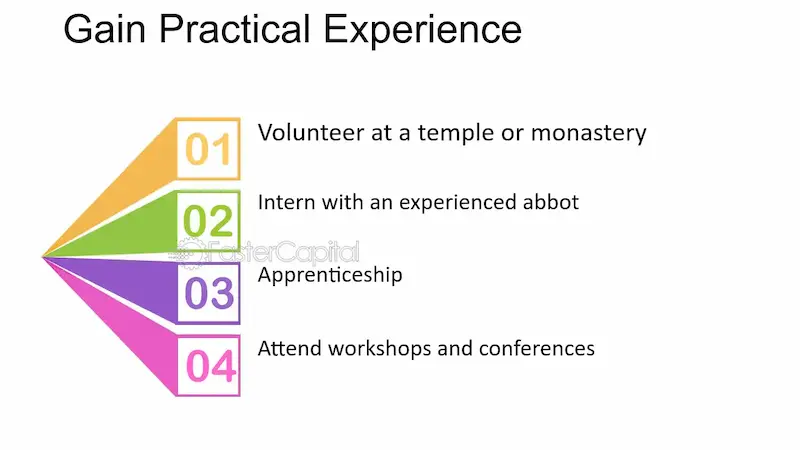
Nothing beats real-world practice when developing professional skills. Theory without application is limited. Here’s how you can gain practical experience:
- Take on challenging projects at work outside your comfort zone.
- Volunteer for cross-functional teams to learn new skills.
- Consider freelance projects or part-time consulting to gain diverse experience.
- Join professional associations or online communities to collaborate and learn from others.
Pro Tip: Document your achievements and experiences in a portfolio. It showcases your skills to current or future employers.
6. Find Mentors and Seek Feedback
Mentorship can accelerate your growth by providing guidance and insights. A mentor can help you:
- Avoid common mistakes.
- Learn strategies to overcome obstacles.
- Get advice on career planning and skill development.
Feedback is equally important. Regularly ask supervisors, peers, or mentors for constructive criticism. It helps you see blind spots and continuously improve.
7. Embrace Technology
In the digital age, being tech-savvy is no longer optional. Mastering the right tools can significantly boost your productivity and career prospects.
- Project Management Tools: Trello, Asana, Jira
- Data Analysis Tools: Excel, Tableau, Power BI
- Design and Creativity: Canva, Adobe Suite
- Collaboration Platforms: Slack, Microsoft Teams
Pro Tip: Identify the top tools in your industry and dedicate time to learning them. Even basic proficiency can set you apart.
8. Build a Personal Brand
Your skills are more valuable when people know about them. Build a personal brand to showcase your expertise:
- Maintain an updated LinkedIn profile highlighting your skills and projects.
- Share insights or tips related to your field online.
- Contribute to forums, blogs, or podcasts in your niche.
A strong personal brand increases your visibility and opens up more career opportunities.
You may also like to read this:
Online Learning Courses Guide – Learn Skills From Home
Simple and Easy Online Learning Tips To Learn Smarter Today
Best Online Learning Tools For Students To Boost Success
Learn Online Effectively: Complete Guide For Success
Skill Development For Beginners: Start Learning Today
9. Stay Consistent and Patient
Skill development doesn’t happen overnight. Consistency is key. Even dedicating 20–30 minutes daily can lead to noticeable improvements over time. Celebrate small wins, track your progress, and stay patient. The growth you achieve gradually compounds into significant career advantages.
10. Keep a Learning Journal
A practical yet often overlooked tip is to maintain a learning journal. Record:
- New skills learned
- Lessons from mistakes
- Feedback received
- Goals achieved
Review it regularly to reflect on your progress and adjust your development strategy.
FAQs About Professional Skill Development
Q1: How long does it take to develop a professional skill?
A: It depends on the complexity of the skill and the time you dedicate. For most skills, noticeable improvement can occur within 3–6 months with consistent practice.
Q2: Should I focus on one skill at a time or multiple skills?
A: Focus on 1–2 skills at a time for deep mastery while keeping smaller, complementary skills on the side.
Q3: Can soft skills be learned as effectively as technical skills?
A: Yes. Soft skills improve with practice, feedback, and real-world application. Activities like public speaking, teamwork, and leadership opportunities help develop these skills.
Q4: How do I measure progress in skill development?
A: Set clear goals, take assessments or certifications, track achievements, and regularly review feedback from mentors or supervisors.
Conclusion
Professional growth is a journey, not a destination. By following these professional skill development tips, you can stay relevant, enhance your career prospects, and unlock new opportunities. Remember to evaluate your skills, set achievable goals, practice continuously, embrace technology, and build both soft and technical skills.
With consistent effort, patience, and dedication, you can achieve significant growth and become the professional you aspire to be.